


Surface Disinfection for Safer Homes and Workplaces
A kitchen worktop can look spotless after a quick wipe, yet still carry germs from raw food. A shared office desk may be free from visible dust while passing contamination between colleagues. Surface disinfection is the step that addresses this less visible risk, but it only works when it is used on the right areas, with the right product, and for the right amount of time.
For households, landlords and workplace managers across Northamptonshire, the aim is not to turn every property into a clinical environment. It is to maintain a clean, safe and reassuring space where people can live, work, visit or move in with confidence.
What surface disinfection does - and does not do
Cleaning and disinfecting are closely related, but they are not the same task. Cleaning removes dirt, grease, dust and debris from a surface. Disinfection uses an appropriate chemical product to reduce harmful microorganisms on that surface. If a surface is visibly soiled, it should normally be cleaned first. Dirt can prevent a disinfectant from making proper contact and reduce its effectiveness.
A disinfectant is not a substitute for good everyday hygiene. Handwashing, safe food preparation, laundering contaminated fabrics and sensible waste handling all remain essential. Equally, spraying every surface repeatedly is not always necessary or desirable. Overuse can leave residues, damage finishes, affect indoor air quality and waste product.
The right approach depends on the setting, who uses it and what has happened there. A family home with no illness may need a targeted routine around food-preparation areas and bathrooms. A nursery, office kitchen, communal entrance or rental property between tenancies may require a more structured programme. Following a sickness incident, pest problem, mould issue, trauma, drug den clearance or significant neglect, specialist assessment is often the safer choice.
Which surfaces need the closest attention?
The surfaces most likely to need regular disinfection are those touched by several people or exposed to food, body fluids or bathroom use. In a home, that commonly means toilet flushes, taps, door handles, light switches, kitchen worktops, appliance handles, bin lids and frequently used remote controls.
In commercial premises, attention should extend to shared desks, keyboards, reception counters, meeting-room equipment, staff-room appliances, handrails and washroom touchpoints. Schools, nurseries and care-related environments also need routines that reflect the age and vulnerability of the people using the building.
There is a balance to strike. Not every wall, floor or low-contact piece of furniture needs daily disinfection. Floors require thorough cleaning and, where appropriate, sanitising or disinfection after contamination, but a routine floor-cleaning plan is usually more relevant than treating the entire area as a high-touch surface. Focusing effort where it matters produces a better result and protects the materials in the property.
Kitchens and food-contact areas
Worktops, chopping boards, sink areas and fridge handles deserve particular care. First remove food debris and grease, then use a product suitable for the material and, where relevant, safe for food-contact surfaces. Never assume a strong-smelling product is automatically the best option. The label instructions, dilution ratio and required contact time matter far more.
Avoid mixing cleaning chemicals. Combining products such as bleach and acidic cleaners can create dangerous fumes. Store products securely, use gloves where directed, and ventilate the room when using stronger products.
Bathrooms and shared washrooms
Bathrooms benefit from frequent cleaning because moisture, regular contact and toilet use create repeated opportunities for contamination. Toilet seats, flush mechanisms, taps, basin edges, door handles and dispensers should be cleaned and disinfected according to use levels.
For landlords and property managers, washrooms are also one of the first places a new tenant, visitor or staff member will judge. A fresh-smelling room is welcome, but hygiene should be evidenced by clean fittings, limescale control, properly treated touchpoints and well-maintained consumables.
How to disinfect surfaces properly
Professional results come from process rather than simply using more product. Start by identifying the surface material. Natural stone, untreated wood, certain metals, delicate upholstery and specialist floor finishes can be damaged by unsuitable chemicals. When there is any uncertainty, test an inconspicuous area or seek professional advice.
Clean away visible soil before applying the disinfectant. Then apply it evenly using the method recommended by the manufacturer, whether that is a cloth, wipe or controlled spray. The surface must remain wet for the stated contact time. Wiping a product away immediately may leave little opportunity for it to work.
Use clean, colour-coded cloths where possible, particularly between kitchen and washroom areas. A cloth that has been used around a toilet should never be carried into a food-preparation area. Replace disposable wipes once they are soiled, and wash reusable cloths at an appropriate temperature after use.
Ventilation is especially important when cleaning smaller rooms such as bathrooms, utility rooms and enclosed offices. It protects the person carrying out the work and helps surfaces dry properly. In occupied workplaces, treatment should also be scheduled to minimise disruption and allow time for products to be used safely.
When routine cleaning is not enough
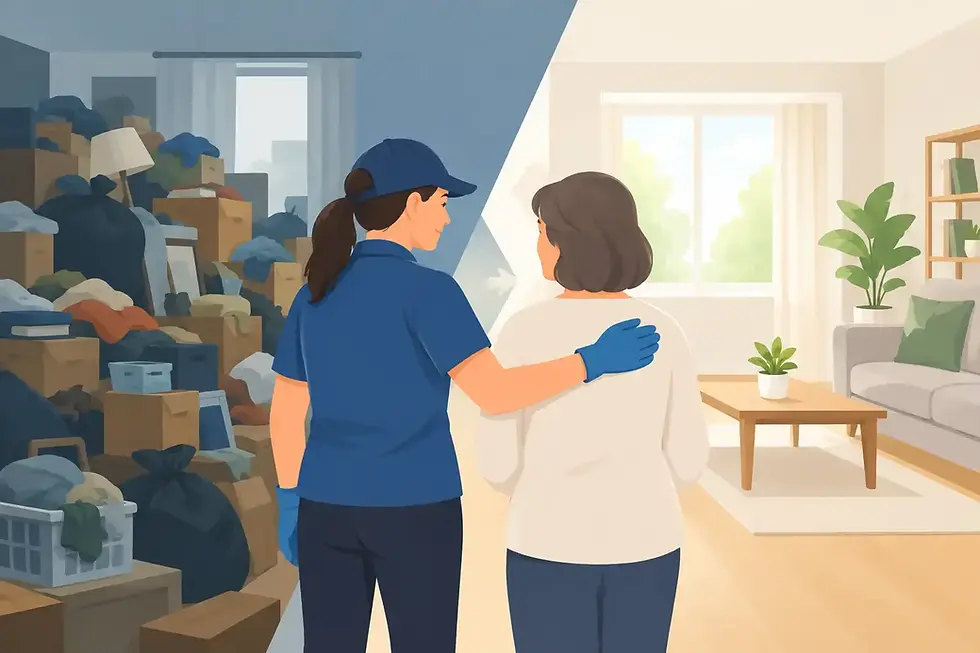
There are circumstances where ordinary household products and a general clean do not provide the reassurance or control a property needs. Examples include an infectious illness outbreak, sewage or bodily-fluid contamination, extensive mould, a long-void property, heavy nicotine residue, pest-related contamination, fire and soot damage, or a property affected by hoarding or a mental-health crisis.
These situations can involve hazards that are not obvious at first glance. Contamination may have reached carpets, upholstery, wall finishes, appliances, cupboards or ventilation points. The work may require personal protective equipment, controlled waste disposal, specialist odour treatment and equipment designed to clean and disinfect without causing further damage.
A trained, insured cleaning team can assess the condition of the property, separate cleaning from remediation where necessary, and create a tailored plan. That is particularly valuable for landlords preparing a difficult property for reletting and for families who need discreet support during a stressful situation. The focus should remain practical, respectful and non-judgemental.
Surface disinfection in workplaces and rental properties
A commercial cleaning plan should reflect how a building is actually used. A quiet office with assigned desks has different requirements from a busy retail counter, a nursery, a communal block entrance or a hospitality venue. High-traffic periods, shared facilities, visitor numbers and vulnerable occupants should all influence the schedule.
For rental properties, a thorough changeover clean provides more than a good first impression. It gives incoming tenants confidence that kitchens, bathrooms, appliances, flooring and touchpoints have been properly addressed. Where there has been significant staining, odour, mould or neglect, it is sensible to deal with the underlying cause as well as the visible surface condition.
Clear records can be helpful in managed premises. They show what has been cleaned, when it was completed and which areas require extra attention. This supports consistency across staff, helps property managers respond to concerns and makes it easier to adjust the schedule when a building's use changes.
Choosing professional support with confidence
When comparing cleaning providers, ask about training, insurance, product selection and the process used for sensitive or contaminated environments. A professional service should be able to explain what it will clean, what it will disinfect, how it will protect different materials and whether any specialist remediation is required. Transparent pricing and a defined scope also prevent unwelcome surprises.
We Clean Any Surface provides tailored domestic, commercial and specialist cleaning across Northamptonshire, combining detailed cleaning with safe, considered treatment for properties that need more than a routine visit. The right service is never about applying one method everywhere. It is about protecting the people who use the space while respecting the property itself.
If a surface, room or entire property no longer feels safe, fresh or ready to use, early professional advice can prevent a manageable issue from becoming a more costly one.


Comments